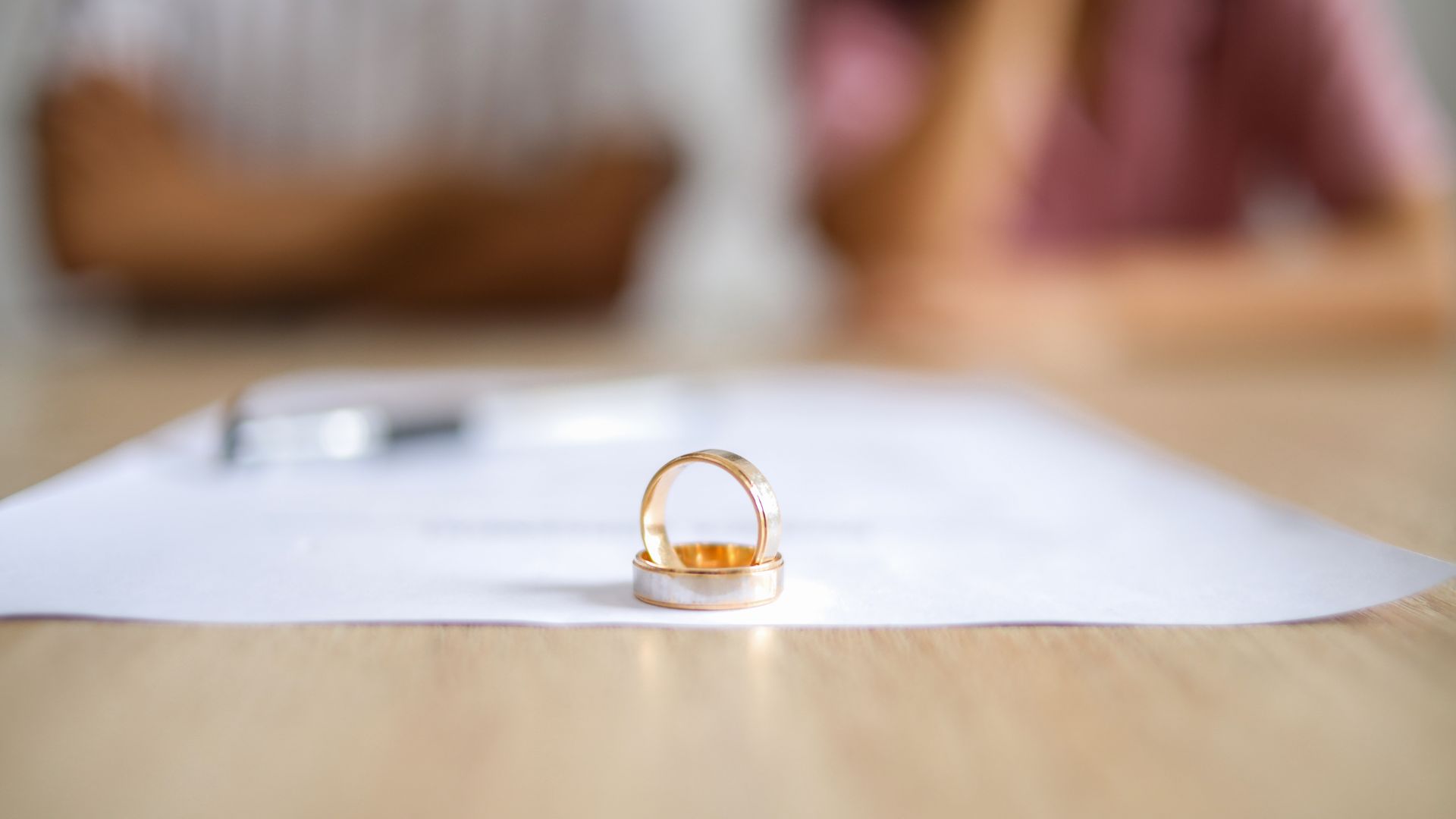
Wondering Where to Get Divorce Papers? Work With A Lawyer For Divorce
May 26, 2026
Divorce is never just paperwork. Even when both spouses agree that the marriage is over, the legal divorce process in Ontario can quickly become overwhelming. Many people in Ontario begin by searching online to find out where to get divorce papers.
They hope the process will be simple and inexpensive. What they often discover is that filing divorce forms is only one small part of a much larger legal process.
From filing the correct application to understanding court procedures and obtaining a final divorce certificate, there are many steps involved. Mistakes can lead to delays, rejected applications, added stress, and unnecessary legal costs later on.
For many Ontarians, working with an experienced lawyer for divorce proceedings is the best way to protect their rights and avoid errors. Kelly Jordan Family Law in Toronto helps individuals and families organize divorce paperwork, understand legal requirements, and navigate the divorce process with expert support.
Wondering where to go to get divorce papers in Ontario? In this post, learn where you can get divorce papers and what documents you need for a contested or uncontested divorce. Learn also why working with a divorce lawyer for guidance is a wise decision.
Where Do You Go To Get Divorce Papers in Ontario?
If you are getting a divorce in Ontario, divorce papers are available through the Ontario court system. The Government of Ontario provides official family court forms online, including documents used for divorce applications.
If you are looking to proceed with an uncontested or simple divorce in Ontario, the basic forms that you will need to submit with your divorce application include:
- Form 8A: Application (Divorce)
- Form 36: Affidavit for Divorce
- Form 25A: Divorce Order
- Form 6B: Affidavit of Service
Additional forms may be required depending on the circumstances of your case.
You can obtain divorce papers through:
- The Ontario Court Forms website
- Ontario family courthouses
- A family lawyer’s office
The Ontario government’s Guide to Procedures in Family Court outlines the documents required for divorce applications and explains how and where documents must be filed and served.
While forms are publicly available, completing them correctly is another matter entirely. Many people are surprised by how technical the process can become, especially when issues such as parenting arrangements, support, or property division are involved.
Kelly Jordan Family Law assists clients with organizing, preparing, and reviewing divorce paperwork to help ensure applications are completed properly before filing with the court.
Required Documents for a Divorce
The documents needed for a divorce in Ontario depend on whether the divorce is contested or uncontested.
If you are looking to proceed with an uncontested or simple divorce in Ontario, the basic forms that you will need to submit include:
- Form 8A: Application (Divorce)
- Form 36: Affidavit for Divorce
- Form 25A: Divorce Order
- Form 6B: Affidavit of Service
Additional forms may be required depending on the circumstances of your case. The court may also request additional information regarding arrangements for the care and support of any children of the marriage. You will also need to submit a copy of your marriage certificate. If your marriage certificate was issued outside Canada, you may also need a certified translation.
The court may reject incomplete or inaccurate documentation, which can delay the process significantly. According to Ontario’s family court procedures guide, parties must ensure forms are properly completed, signed, commissioned where required, and filed in the correct court location.
Working with Kelly Jordan Family Law can help reduce the risk of errors by ensuring the proper documents are prepared and filed correctly from the beginning.
Why DIY Divorce Can Become Complicated
Some divorces appear straightforward at first. Couples may agree to separate and believe they only need to submit paperwork to formalize the separation. However, legal issues often arise during the process.
Common complications include:
- Incorrect or incomplete forms
- Disputes about parenting arrangements
- Child or spousal support disagreements
- Property division concerns
- Missed filing deadlines
- Problems serving documents properly
- Confusion about court procedures
Even in uncontested divorces, legal requirements must still be followed carefully. If forms are filled out incorrectly, the court may reject the application and require corrections before moving forward.
Many people also underestimate the long-term impact of agreements made by separating spouses. Decisions involving support, parenting, and property made to finalize a divorce can affect finances and family relationships for years to come.
Kelly Jordan Family Law works closely with clients to identify potential issues early and help prevent avoidable delays or legal complications during the divorce process.
Work with a Lawyer For Divorce Proceedings
Divorce affects nearly every aspect of your life, including your finances, parenting arrangements, living situation, and future plans. Having proper legal guidance can make a major difference during this transition.
Working with a lawyer for your divorce can help by:
Protecting Your Rights
Many people do not fully understand their legal rights during divorce. A lawyer can explain your options and help ensure you do not agree to unfair terms regarding support, parenting, or property division.
Reducing Delays and Errors
Incorrect paperwork is one of the most common causes of delays in Ontario divorce proceedings. Lawyers understand court requirements and can help ensure documents are properly completed and filed.
Kelly Jordan Family Law supports clients by managing paperwork carefully and helping ensure deadlines and court procedures are properly followed.
Helping Resolve Disputes
Even relatively amicable divorces can become emotional and stressful. Lawyers can help negotiate agreements and reduce unnecessary conflict between spouses.
Providing Strategic Advice
Every divorce is different. A lawyer can help you make informed decisions based on your specific financial, parenting, and legal circumstances.
Giving You Peace of Mind
Many people feel overwhelmed during a divorce. Having experienced legal support can provide reassurance and clarity throughout the process.
Where to Get a Divorce Certificate After Divorce
A divorce certificate is different from a divorce order. Once a divorce becomes final, you may need a divorce certificate as official proof that your marriage has legally ended.
People often need a divorce certificate when:
- Remarrying
- Changing legal documents
- Updating identification
- Handling estate matters
- Applying for certain government services
In Ontario, divorce certificates are issued by the courthouse where the divorce was granted. According to Steps to Justice, you can request a divorce certificate after the divorce order has taken effect and the waiting period has passed.
You will generally need:
- A copy of your divorce order
- A completed Form 36B: Certificate of Divorce
- Payment for court fees
If you do not have a copy of your divorce order, you can still obtain a copy of your divorce certificate. You will need:
- The address of the court where your divorce order was granted
- The court file number
- The year your divorce was granted
If you are unsure how to obtain your divorce certificate, Kelly Jordan Family Law can help guide you through the process and explain what documentation may be required.
Understanding the Difference Between a Divorce Order and a Divorce Certificate
Many people confuse divorce orders and divorce certificates, but they serve different purposes.
Divorce Order
A divorce order is the court document stating that the divorce has been granted. However, it does not become final immediately.
Divorce Certificate
A divorce certificate is the official proof that the divorce is finalized after the appeal period has expired. This distinction is important because certain institutions or government agencies may specifically request the divorce certificate rather than the divorce order.
A family lawyer can help ensure you understand which documents you need and when they become available.
How Long Does It Take to Get Divorce Papers Processed?
The timeline for divorce in Ontario varies depending on the complexity of the case.
Factors that may affect timing include:
- Whether the divorce is contested
- Court processing times
- Accuracy of submitted paperwork
- Whether additional documents are required
- Disputes involving parenting or finances
Simple uncontested divorces may move more quickly, while contested matters can take significantly longer.
Working with Kelly Jordan Family Law can help streamline the process by ensuring documents are properly prepared and legal issues are addressed proactively.
Work With Kelly Jordan Family Law for Divorce Guidance
Where do you get divorce papers? You now have insights to help you move with greater confidence. Getting divorce papers is only one part of the legal process. Understanding which forms you need, how to complete them correctly, and how to protect your rights during divorce can be far more complicated than many people expect.
Kelly Jordan Family Law provides compassionate and knowledgeable support for individuals navigating divorce in Ontario. Whether you are considering separation, preparing divorce documents, or trying to obtain your divorce certificate, experienced legal guidance can help reduce stress and avoid costly mistakes.
If you are looking for support with divorce paperwork, legal advice, or representation during a divorce proceeding, work with Lexpert Ranked lawyer Kelly Jordan and her team to move forward with confidence.
Contact us online or call our Toronto offices at 416-849-5501 to schedule a consultation, so that we can provide the guidance and support you need.